
What Are Earmolds, and How Do They Work?
If you have noticed that you are experiencing an increased level of
By: admin | March 25, 2026
It can be surprising to realize that your own voice sounds different once you begin wearing hearing aids. Instead of hearing yourself the way you remember, your voice may seem louder, echoey or slightly blocked, almost as if it is coming from inside your head.
Most people expect outside sounds to change, not their own speech, so this shift can catch you off guard. When talking no longer feels natural, it can affect how comfortable you feel wearing your hearing aids throughout the day.
This experience is known as occlusion, and it happens when sound vibrations from your voice become trapped in the ear canal. It is a common part of the early adjustment period, especially with certain hearing aid styles or fits.
The important thing to know is that it can often be improved with simple changes to the fit or settings. A clear sense of why this happens and how it can be fixed makes it easier to stay consistent with your hearing aids, so you get the full benefit they were designed to provide.
Hearing aids work by capturing the sounds around you, adjusting them and delivering them into your ear in a way that matches your specific hearing needs. Each device contains a small microphone that picks up sound, a processor that analyzes and fine-tunes it and a speaker that sends the improved signal into your ear canal.
Rather than simply making everything louder, modern hearing aids are programmed to target the specific pitches and speech sounds you struggle to hear. This helps conversations come through more clearly while reducing some of the background noise that can compete for your attention.
The way a hearing aid is programmed depends on the results of your hearing test and the environments you move through each day. Once it is set up, the device continuously measures incoming sound and makes small adjustments in real time
When you first begin wearing hearing aids, everyday sounds can seem sharper or more noticeable than you remember.
Simple noises like running water, footsteps on hard floors or the hum of a refrigerator may stand out in ways they did not before. This happens because your brain is receiving sound details it may not have heard clearly for some time.
Instead of filtering those sounds automatically, your brain needs a chance to sort through them again and decide what deserves attention. As a result, your surroundings may seem more active or layered in the beginning, even though the purpose of the technology is to create a clearer and more comfortable listening experience.
You may also notice that your own voice sounds somewhat different when you speak. It can seem slightly louder or closer than expected, which can feel distracting in conversation. At the same time, speech from others may appear clearer and more defined, which changes the overall listening experience.
The occlusion effect is something many people notice soon after they begin wearing hearing aids. When your ear canal is more closed off, the sound of your own voice cannot escape the way it normally would, so it reflects back toward your eardrum.
This can make your voice seem louder, heavier or slightly echoey, almost like you are hearing yourself from inside your head. Because most of us are used to our voice sounding a certain way, even a small change can feel distracting at first.
There are several reasons why hearing aids can create the occlusion effect, and most of them relate to how sound moves through a more enclosed ear canal. When something sits inside the ear, it naturally changes the way sound vibrations travel, especially the vibrations produced by your own voice.
This can include:
The shape and size of your ear canal can affect how you hear your own voice than most people realize. Every ear canal is slightly different. Some are narrower, some are wider and some have subtle curves that affect how sound travels inside the ear.
When you speak, sound vibrations move through the canal and reflect off its walls before reaching your eardrum. The specific shape of that space can influence whether your voice sounds lighter, fuller or slightly echoed to you.
When a hearing aid is placed in the ear, it changes the acoustics of that space. Because no two ear canals are identical, the way sound is contained and reflected will vary from person to person.
A smaller or more curved ear canal may cause certain tones in your voice to feel more pronounced, while a larger ear canal may create a different effect. Personal awareness of how your ear canal’s shape affects sound can make changes in your voice feel more understandable and less surprising.
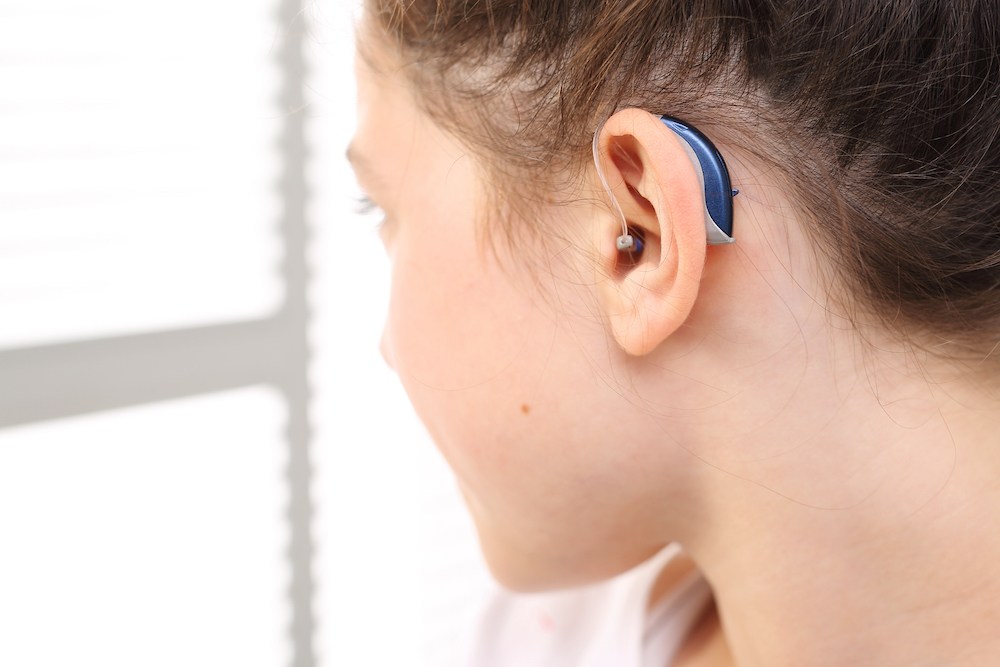
The design of an earmold directly affects how your voice is carried through the ear canal.
An earmold that fills more of the canal creates a tighter seal, which helps direct amplified sound from the hearing aid toward the eardrum. However, that same seal can also limit the natural escape of sound produced when you speak.
When those vibrations stay inside the canal, they build up and can make your voice seem louder or deeper than you expect. The material of the earmold, whether it is softer or more rigid, can also influence how much vibration is absorbed versus reflected back toward the eardrum.
Vent size and placement are also important parts of earmold design. A vent is a small opening that allows air and some sound to pass through the mold.
Larger vents can reduce the trapped sensation of your own voice by giving low-frequency sound waves a pathway out of the ear. Smaller vents, on the other hand, provide more containment, which may increase the fullness you hear when speaking.
Earmold design controls how sound moves in and out of the ear canal, even subtle differences can noticeably change how your voice is perceived.
Open-fit and closed-fit hearing aids affect the way you hear your own voice in different ways. Open-fit styles leave more of the ear canal unobstructed, allowing some natural sound and low-frequency vibrations to escape.
This can make your voice feel more familiar and less trapped compared to a fully closed design. Closed-fit hearing aids, on the other hand, fill more of the ear canal and create a tighter seal.
While this can improve the clarity of outside sounds, it can also increase the occlusion effect, making your voice sound louder or heavier.
If your voice sounds different with hearing aids, it can help to bring up your concerns with an audiologist. Being open about what you’re experiencing allows them to explain why it’s happening and discuss possible options.
Some points you might cover include:
Getting used to the way your own voice sounds with hearing aids can take some time, but there are simple strategies that make the process easier.
One approach is to spend a few minutes each day speaking aloud in a quiet environment, reading a book or having a short conversation. This helps your brain adjust to the new way your voice is reaching your ears. Paying attention to how different tones and volumes feel can also make speaking feel more natural over time.
Another helpful tip is to record your voice and listen back to it. Hearing yourself from a recording can give a clearer perspective than listening while speaking, helping you separate the changes caused by your hearing aids from how you normally perceive your voice.
Practicing normal conversation in familiar settings, rather than forcing yourself to adapt in noisy or stressful situations, can also reduce discomfort. With regular exposure and mindful listening, your own voice will begin to feel more familiar and less distracting.
Adjusting to new sounds with hearing aids can be easier when you actively engage in simple listening exercises. One effective method is to focus on different sounds in your environment one at a time.
For example, spend a few minutes listening to everyday noises like the hum of a fan, footsteps or distant conversations. Concentrating on individual sounds helps your brain separate and process them more clearly, making the overall listening experience feel less difficult.
Another useful exercise is practicing listening in gradually more complex environments. Start in a quiet room and have a short conversation or follow a single speaker. Then, slowly introduce background sounds, like a TV or people talking nearby, while paying attention to the main sound you want to hear.
Your brain becomes better at filtering out distractions and identifying important sounds, which can make wearing your hearing aids feel more natural and comfortable.
Getting used to how your own voice sounds with hearing aids is a common part of adapting to these devices. The occlusion effect can make your voice seem louder but small changes in device fit or settings often help.
Practicing speaking out loud and giving yourself time to adapt can also make a big difference. If discomfort continues after several weeks, at Gavin Audiology and Hearing Aids we can check your hearing aids and help you find solutions that improve comfort.
For more information or support, reach out to our team at one of our convenient locations in Greenwich CT, Tarrytown NY or Cortland NY. Call (914) 610-3440 for guidance on making your hearing aid experience as comfortable as possible.
Tags: hearing aid styles

If you have noticed that you are experiencing an increased level of
By: admin | August 22, 2022

Hearing loss can be caused by a number of things. One of the most common,
By: admin | August 4, 2022

Has your audiologist recently asked you to relax in front of a strange
By: admin | June 14, 2022